
Originally Posted On: https://gostudyin.com/planning-to-study-abroad-in-queens-university-belfast-start-here/
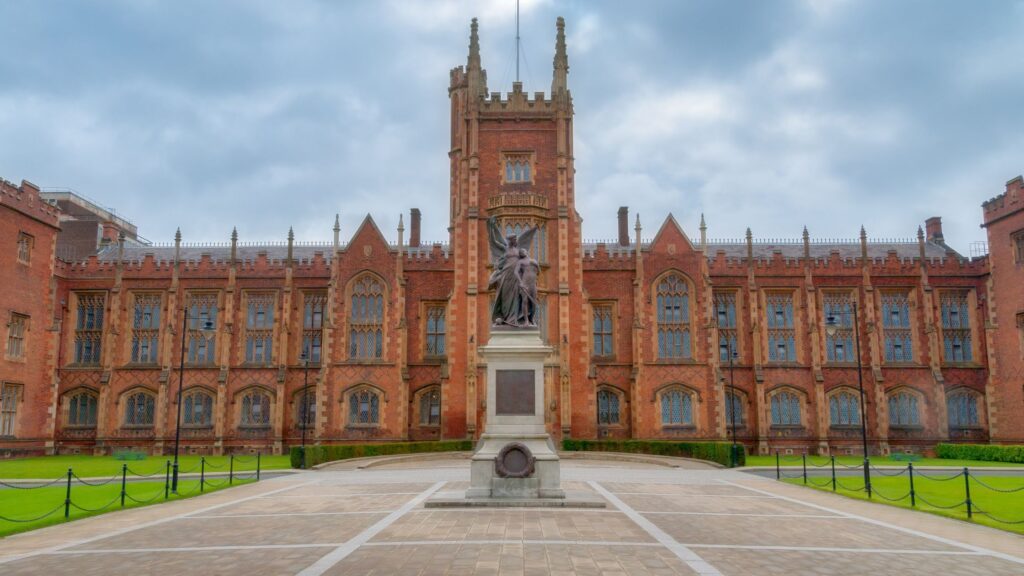
Thinking about a semester or year overseas? This page provides clear, practical information and a concise overview of what to expect—from academics to life in Belfast. You will find the essentials and the next steps to help you plan with confidence.
StudyIn acts as your practical support layer. We help you turn goals — modules, timing, and progression — into a simple plan and a smoother start.
studying abroad in Queen’s University Belfast, it helps to get your questions in order early (it saves you a surprising amount of stress later).
Belfast is a modern capital city in Northern Ireland that feels friendly and easy to navigate. Read on for programme shapes, orientation steps, student support, language and employability benefits, and global opportunities. Confirm final details with the host and your home university, and let StudyIn help you prepare the right questions. If you are also comparing wider options for studying abroad in UK, keep this structure in mind — the same planning habits (credit checks, module mapping, timelines) apply almost everywhere.
Key Takeaways
- You will get clear options and a confident next step towards the application.
- StudyIn helps translate academic goals into a practical plan.
- The city offers a balance of homely scale and broad experiences.
- Credits and recognition depend on your home rules — check early.
- This page focuses on orientation, support, and employability benefits.
Why Queen’s University Belfast is a standout study abroad choice in Northern Ireland
Choosing where to spend a semester or an academic year matters. You want strong teaching, real-world learning, and a supportive city. This campus combines all three and welcomes over 200 visiting students each year.
Russell Group teaching that shapes your day-to-day
Russell Group membership means active researchers inform teaching. Your lectures and seminars reflect current projects that make an impact around the world, which (honestly) makes day-to-day learning feel more connected to real outcomes.
Why a semester or academic year can change your outlook
A term away builds independence and confidence fast. You will meet a diverse cohort, broaden your perspective, and return with new skills for study and work.
Global connections and a friendly capital city
The campus has international links that widen networks and classroom debate. The city is lively but manageable, so first-time international students settle in quicker and feel safer.
FeatureImpact for youWhat to expectRussell Group teachingHigh academic standardsResearch-led lectures and current topicsVisitor cohortWell-run supportOrientation and peer networks for over 200 studentsCity settingBalance of energy and easeCapital opportunities with a friendly feel
Use StudyIn to compare Queen’s University Belfast and other options. We help you judge academic fit, personal outcomes, and career benefits before you apply.
Study Abroad in Queen’s University Belfast: what your programme can look like
Deciding between a single term away or a full academic year shapes your timetable, assessments, and social rhythm. Below is a clear view of the formats, module structure, and degree progression, so you can plan with confidence.
If you are already planning beyond an exchange, read this section with your longer-term goals in mind too. Many students start with a semester abroad and later explore master’s options — and if that sounds like you, it is worth skimming the postgraduate abroad in Queen’s University Belfast route now, so that you understand how requirements and timelines can differ.
Choosing a semester or a full year
Semester options suit tight calendars and short goals. A semester offers focused contact hours and fewer modules.
A full year gives deeper module choice and more time for projects and placements. More than 200 incoming study-abroad students arrive each year, so there is a routine and peer support.
How modules are structured
Most programmes are built from modular units with lectures, seminars, and assessed work. Prioritise modules that align with your home university requirements and check prerequisites early.
Degree progression and community
Confirm credit transfer and grade conversion with your home university, so you avoid delays to your degree. You will study alongside local students and visiting peers, creating a mixed, lively classroom.
OptionTypical loadWhat to checkSemester3–4 modulesCredit value, assessment timingFull year6–8 modulesPlacement chances, project optionsModule structureLectures + seminarsContact hours, assessment type
Practical tip: shortlist modules, draft a learning agreement, and keep written approval from your home department. Use StudyIn to sense-check programme fit and compile documentation.
Living in Belfast as an international student
This capital offers a homey scale and easy access to iconic Northern Ireland sights. You get the comfort of a compact city and the option to head into dramatic landscapes within a few hours.
A city that feels like home, with room for adventure
The local pace makes routines easy: short commutes, close-knit neighbourhoods, and friendly campus corridors mean you settle fast. That small-city feel lowers stress and frees up time for other activities, which is exactly what you want when you are planning to study abroad in Queen’s University Belfast and trying to balance academics with actually enjoying the place.
Making the most of your time: sights, heritage, and iconic locations around Northern Ireland
Day trips are simple. Visit World Heritage sites, explore Game of Thrones filming locations, or see landscapes said to inspire Narnia. These trips add cultural depth to your academic life.
Practical first-month checklist
- Sort groceries, phone, and local transport pass.
- Learn key routes between halls and the campus at the University of Belfast.
- Schedule a weekly rhythm: classes, library blocks, one society night, and one day for exploring.
Tip: StudyIn provides practical preparation tips on budgeting, settling, and accommodation to help you enjoy city life sooner.
Arrival, welcome, and orientation at Queen’s
Your arrival starts a clear, guided process that moves you from travel day to your first lecture with minimal stress.
What happens at the start of each semester
The Orientation Programme runs at the start of every semester to help you learn the campus, university systems, and local transport. You will get maps, timetables, and key contacts during welcome sessions.
Registration essentials and settling into academic life
Registration covers ID checks, module confirmation, and access to online learning platforms. Confirm your modules early and keep a printed copy of your learning agreement.
If something does not match your plan, there are clear support channels to resolve module or timetable issues quickly.
Social activities that help you meet classmates and feel at home
Orientation includes organised activities and campus tours to help you meet other students. Expect social nights, society fairs, and short trips that showcase the famous local hospitality.
Checklist to bring
- Passport, visa documents, and ID
- Evidence of enrolment and your learning agreement
- Contact details for your home department
- Key semester dates in your calendar
StagePractical outcomeWhenArrival & welcomeMaps, campus tour, first contactsFirst 48 hoursRegistrationID checks, module confirmation, online accessFirst weekSocial inductionMeet peers, join societies, and local activitiesFirst two weeks
Use StudyIn as a pre-arrival companion to prepare paperwork, plan your first week, and arrive knowing what happens next. This will help you move from arrival day to class with confidence.
Student support at Queen’s: One Elmwood Student Centre
One Elmwood is the central hub where you can access careers, wellbeing and visa help without being passed between offices. Use it as your first stop for clear, connected advice that saves time.
Well-being, learning skills, and disability help
- The centre offers wellbeing support to help you manage stress and settle into campus life.
- There is targeted advice on learning skills to keep your work on track and improve study outcomes.
- Disability services arrange adjustments so you can access teaching and assessments fairly.
Careers, finance, and widening participation
Career guidance includes CV reviews and guidance on describing your international experience to employers.
Finance advisers help with budgeting and emergency guidance. Widening participation teams offer additional routes and contacts, where relevant.
Visa and immigration advice
Visa and immigration help is available online and in person. Drop in for quick checks or book an appointment for detailed queries.
Personalised support matters: expert staff tailor advice to your situation, improving your overall experience. Use StudyIn alongside One Elmwood to prepare documents and questions before your visit, reducing delays and stress.
Beyond the classroom: language, skills, and employability benefits
Your time away gives practical chances to improve language and transferable skills that employers value. You do not need advanced language ability to follow most modules, because many partners teach in English across Europe, North America, and Australasia.
If you are thinking about what comes after your exchange, it helps to approach your placement with a long-term career perspective. The same reflection habits can guide your next steps, whether you plan to return home or aim to graduate abroad in Queen’s University Belfast in a future intake.
No need to speak the local tongue to make progress
Reassurance: many courses use English, so basic conversation is enough for daily life and study. Still, learning small phrases improves travel, confidence, and social bonds.
Use the Language Centre in the McClay Library
The Language Centre offers short classes, conversation groups, and online materials to boost your speaking and listening. Drop-in help is ideal before departure and during term time.
Turn your time into recognised skills
Employability gains are real: adaptability, intercultural communication, and independence grow quickly when you engage with other students and placements.
What to trackWhy it mattersExample evidenceGroup workShows teamwork and communicationPresentation slides, peer feedbackVolunteering or societiesDemonstrates leadership and initiativeRole description, photos, referencesIndependent tasksProves problem‑solving and resilienceProject brief, reflective note
Practical tip: Use StudyIn to turn daily actions into measurable skills and prepare for interviews. Treat the Future‑Ready Award as an opportunity to gain formal recognition for your non-academic learning on the world stage.
Explore your options with confidence: study exchanges, summer schools, and global opportunities
Before you commit, map the types of international programmes available and match them to your timetable, budget, and academic goals.
- European exchanges: Queen’s has agreements with over 150 partner universities across Europe, often tied to specific subjects. That means your available options may depend on your discipline and module fit. Confirm subject compatibility early and get written approval for credit transfer from your School.
- Beyond Europe: There are clear routes to Canada, Australia, and the USA. These exchanges vary by programme and subject availability, so check module alignment and year study rules before you apply. Your time overseas may count as an equivalent period at your home campus and may be used to satisfy degree requirements.
- Study USA mini‑brief: A full academic year opportunity running since 1994. Around 50–60 Northern Ireland students participate each year. You must be an undergraduate before your final year (apply during Level 2); applications typically open in September and go through the British Council. Plan deadlines and visa paperwork well in advance.
- Summer schools: Short, accredited programmes taught in English — for example, Utrecht Summer School — suit students who cannot commit to a semester. They offer focused modules and a flexible way to gain credit and experience.
- Funding and changes: Erasmus has been replaced by the UK Turing Scheme. Check current funding rules early and build a realistic budget that includes visa costs, travel, and living expenses.
- Use StudyIn as your organiser: compare programmes, sanity-check module lists, plan timelines, and understand funding implications so you choose the best option for your year of study.
How StudyIn supports your study abroad journey at Queen’s University Belfast
StudyIn provides you with a clear, stepwise plan that links subject choices, term timing, and practical tasks for Queen’s University Belfast. You get a personalised roadmap so decisions are simple and fast.
Building your plan: course fit, timing, and programme selection
We help shortlist modules, check likely prerequisites, and map choices to your home credit rules. This saves time when you request departmental approval.
Application guidance and documentation checks
StudyIn reviews required documents and flags gaps before you submit. Early checks reduce delays and common errors.
Visa and arrival preparation to reduce stress
Receive a step-by-step preparation checklist and timed reminders so you handle forms, insurance, and travel tasks well ahead of departure. For immigration requirements and final rules, always rely on official guidance and the university’s international team — that is where the definitive answers sit.
Pre‑departure and on‑the‑ground support
- Accommodation: practical options and booking tips.
- Budgeting: realistic weekly costs and money‑saving hints.
- Settling: how to find One Elmwood services for careers, wellbeing, and immigration help.
Virtual campus tour support
Use Queen’s 360° campus and city centre tours with our guidance to picture where you will live and study. This helps you choose neighbourhoods and plan commute times with confidence.
Conclusion
A clear plan turns interest into action and makes your next steps simple. You can now weigh why a semester or year away matters, how a programme might fit your degree, and what daily life feels like in a friendly capital.
Align modules, confirm credit with your home department, and pick the right term structure to reduce risk. Use One Elmwood and orientation sessions early for practical support and up-to-date funding details, such as the Turing Scheme.
Move from information to application with StudyIn: get a checklist for programme selection, documents, and a timeline. For page build, keep clean spacing (nn) and responsive settings (width device-width) so content reads well on mobile.
Next step: speak to StudyIn to confirm your plan and prepare for arrival in Northern Ireland.
FAQ
How do I choose between a semester and a full academic year at Queen’s?
Consider your home degree requirements, available credit transfer, and personal goals. A semester offers a taste of campus life and a shorter commitment, while a full year provides deeper immersion, more module choices, and stronger employability benefits. Check module timetables and discuss credit transfer with your home university before applying.
What kinds of modules and subject areas can I study?
You can take modules across many faculties, from humanities and social sciences to engineering and biomedical sciences. Modules are research-led and organised by semester or year. Some courses have prerequisites or limited places, so review course catalogues and meet with academic advisers to confirm availability.
Will time at Queen’s count towards my home degree?
Yes, in most cases. You must gain approval from your home institution for credit recognition and ensure module learning outcomes align with your programme. Keep detailed transcripts and module information to simplify progression assessments on return.
Who will I be studying alongside on campus?
You’ll learn alongside a diverse mix of domestic students, international students, and those on semester or year exchanges. The international cohort is supported by dedicated services and peer networks that help you build academic and social connections quickly.
What is living in Belfast like for international students?
Belfast blends compact city convenience with rich cultural heritage and easy access to Northern Ireland’s landscapes. You’ll find affordable student accommodation, lively arts and music scenes, and friendly neighbourhoods. Transport links make weekend trips across the region straightforward.
What should I expect during arrival and orientation?
Orientation covers enrolment, registration, campus tours, and introductions to student services. You’ll receive practical briefings on timetabling, health services, and joining societies. Attend welcome events to collect key information and meet peers and staff.
Where can I find student support on campus?
The Elmwood Student Centre centralises wellbeing, learning skills, and disability support. Careers, finance, and widening participation advice are also available. Visa and immigration guidance is offered online and through in-person appointments to support documentation and compliance.
Do I need prior English fluency to join taught modules?
Many programmes are delivered in English, and you typically need to meet the language requirements set by Queen’s. If you need to improve confidence, the Language Centre and McClay Library resources provide classes and one-to-one support to boost skills before or during your stay.
How can my time at Queen’s enhance employability?
You’ll develop research, communication, and intercultural skills valued by employers. Formal recognition, such as the Future-Ready Award, helps demonstrate these competencies. Use the careers services for CV reviews, internships, and employer events tailored to international students.
What international exchange options are available beyond Europe?
Queen’s partners with institutions in Canada, the USA, Australia, and other regions. Opportunities include semester exchanges, full-year placements, and summer schools. Eligibility, application deadlines, and funding vary, so explore partner lists and seek advice early.
Can I join summer schools or shorter programmes?
Yes. Summer schools offer intensive modules taught in English and flexible study options for credit or personal development. They suit those with limited time or who want to sample campus life before committing to a longer placement.
What funding schemes should I be aware of?
Look into university scholarships, national schemes such as the UK Turing Scheme where applicable, and bilateral exchange funding from your home institution. Early research and timely applications improve your chances of securing support.
How does StudyIn assist with applications and arrival?
StudyIn supports course fit assessments, application checks, preparation planning, and practical guidance. You’ll get pre-departure briefings on accommodation, budgeting, and campus life, plus help to organise your timeline and questions before you arrive.
What visa and immigration support is offered?
Queen’s provides online guides and in-person advice for visa applications, renewals, and compliance. Services cover required documents, biometric processes, and NHS arrangements. Always consult the university’s international office and official UK government guidance for the latest rules.
How do I register and settle into academic life?
Registration includes enrolment, ID card collection, and module registration. Attend induction sessions, meet academic advisers, and join study groups. Use learning support at Elmwood and library resources to adapt to assessment styles and expectations.
Are there on-campus activities to help me meet people?
Yes. There are societies, sports clubs, and cultural groups catering to wide interests. Social events during welcome week and ongoing campus programming make it easy to connect with peers and build a support network.
What practical steps should I take before travelling?
Confirm module approvals with your home university, arrange accommodation, check visa requirements, and budget for living costs. Gather essential documents—transcripts, insurance, and accommodation contracts—and complete any pre-arrival forms the university provides.
Can I take part in research or lab work during my placement?
Opportunities depend on your subject and supervisors. Some exchange students join research projects or laboratory placements where capacity allows. Contact relevant schools in advance to discuss supervised research options and any required clearances.
What transport and travel options are best for exploring Northern Ireland?
Belfast offers buses, trains, and coach links for regional travel. Car hire and organised day tours make exploring the Causeway Coast, Mourne Mountains, and other sites straightforward. Student discounts often apply to public transport and attractions.
Who should I contact for course-specific questions?
Contact the academic school or module convenor listed on the university website. For general exchange queries, use the international office or your faculty exchange coordinator. They provide programme details, prerequisites, and assessment information.
